
The first fire after the summer is when every bit of neglect shows up: a blocked chimney, a cracked grate, hardened gaskets or firewood that has picked up moisture over the holidays. Spending an hour on a check before the heating season saves nerves, firewood and money — and for the chimney, in many countries it is also a legal obligation. Below is a step-by-step checklist: from chimney inspection, through the insert and air supply, to firewood and the first fire.
Our advice on the insert is based on the KAWMET fireplace insert operating manual. Always check the manual of your own appliance too — it is the binding document.
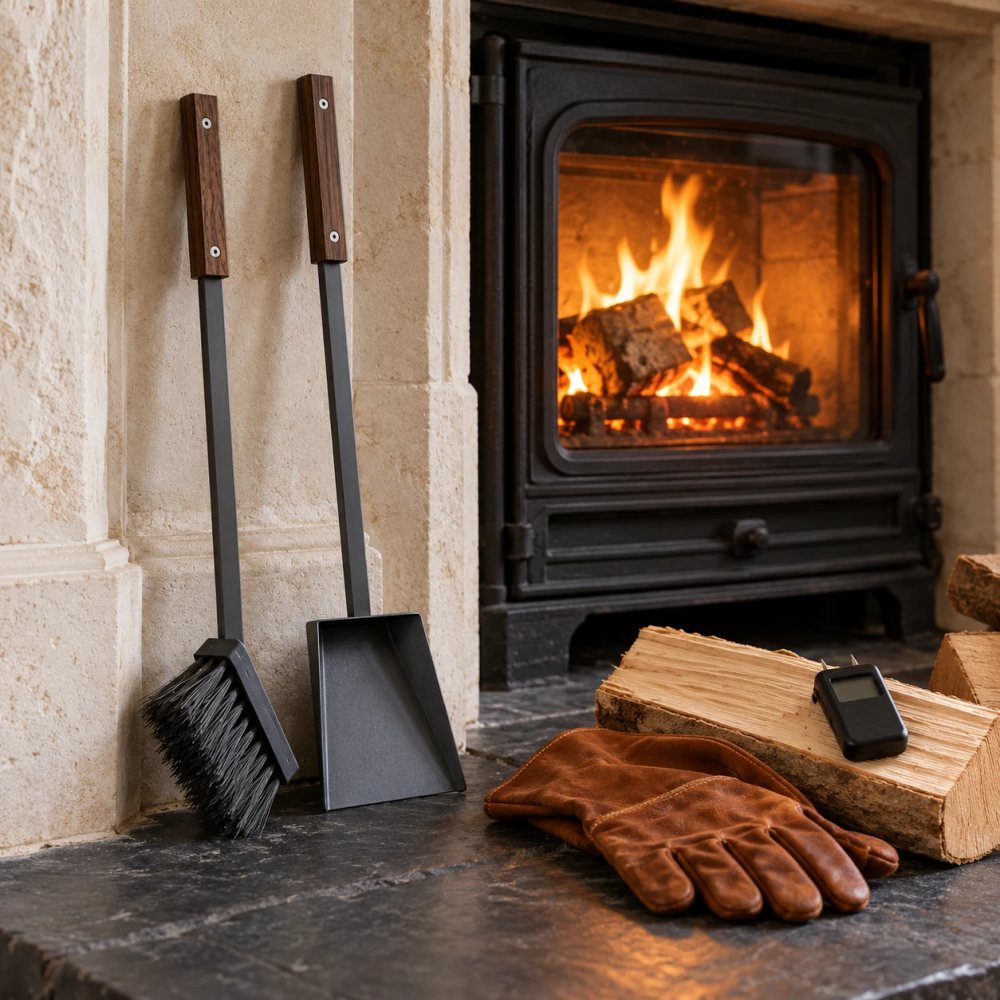
In short
- Chimney: have it inspected and swept before the season, as often as the rules in your country require.
- Insert: remove the ash and check the grate, baffle, glass, gaskets and door closure.
- Air: vacuum the surround grilles and check that the external air supply is clear.
- Firewood: moisture content below 20%, preferably hardwood seasoned for about two years.
- First fire: calmly and gradually — cold cast iron does not like being heated up suddenly.
1. Chimney inspection and sweeping
Rules on chimney inspection and sweeping differ from country to country, so check what applies where you live. As an example, Polish regulations distinguish two things that are often confused:
- Inspection of chimney flues — at least once a year, carried out by a master chimney sweep, who records the result in a report. It covers, among other things, whether the flues are clear and tight, the draught, the connection of appliances, the air supply and the condition of the chimney above the roof.
- Sweeping of flues from solid-fuel appliances — at least once every 3 months during the period of use.
The best time for an inspection is just before the season. Keep the report — it proves the chimney was in good order, and after an incident such as a soot fire, your insurer may ask for it.
2. Chimney and connecting pipe
The KAWMET manual draws attention to creosote — a flammable deposit that forms when damp wood burns slowly and settles on the cold walls of the chimney. The more you burn with a throttled fire and wet wood, the faster it builds up. Before the season:
- check that the flue is clear and that the cleaning door closes properly;
- look into the pipe connecting the insert to the chimney — the bend should have a cleaning opening;
- check that the connection between the insert spigot and the pipe is tight;
- if you see a thick layer of shiny, tar-like deposit in the flue, call a chimney sweep before the first fire.
3. The fireplace insert
Ash and ash pan
Start by removing the ash from the firebox and emptying the ash pan. According to the KAWMET manual, too much ash restricts the flow of combustion air and can lead to the firebox overheating. Put the ash into a metal container with a tight lid and stand it on a non-combustible surface, away from flammable materials, until it has cooled completely — embers in ash can smoulder for hours.
Grate, baffle and lining panels
Inspect the cast iron grate: cracks, burn-through and broken ribs mean it is time for a replacement. The grate is a wear part — it is in direct contact with the embers and is not covered by the warranty. Cast iron grates matched to specific KAWMET models are available, e.g. the grate for the W17 (12.3 kW) measuring 324 × 305 mm. Also check the baffle (the plate above the fire) and the lining panels — a cracked vermiculite or chamotte panel protects the body less well.
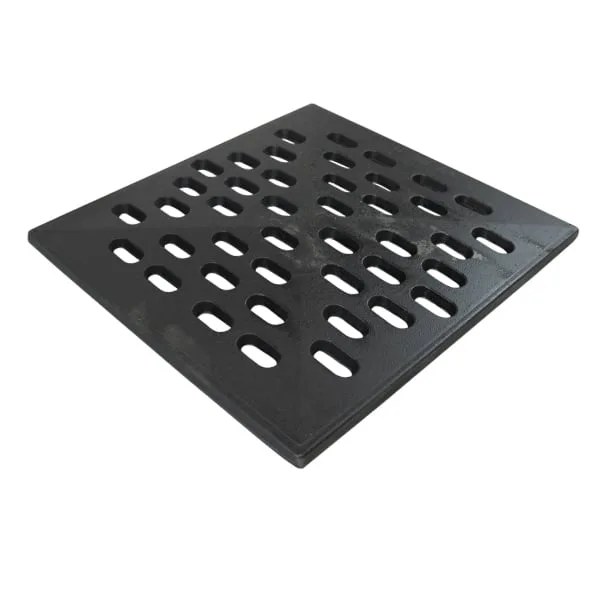
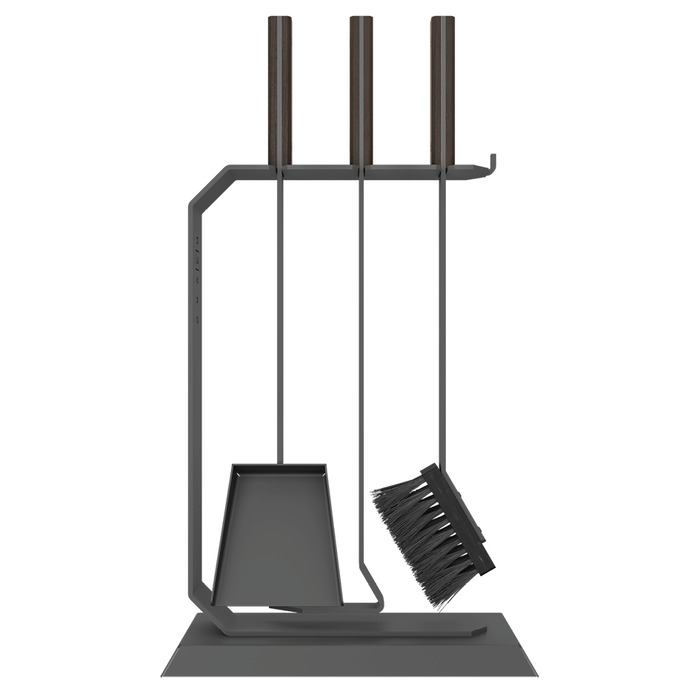
In the photos: the KAWMET grate for the W17 (12.3 kW) and the SAVEN Set 6L tool set — a shovel, brush and poker make regular ash removal easier. More sets in the SAVEN fireplace tool sets category.
Glass
Clean the glass when the insert is slightly warm, using a cleaner made for stove glass and nothing abrasive. Never use a fireplace with cracked glass — the KAWMET manual explicitly forbids it. If the glass blackens very quickly, something is wrong: firewood that is too wet, weak draught or a partly closed damper.
Gaskets and door
Door and glass gaskets harden and crumble over time — the KAWMET manual treats them as wear parts. A simple test: close the door on a sheet of paper at several points around its edge. If the paper slides out without resistance, the gasket is not sealing and the insert draws in uncontrolled air, which makes it harder to control the fire. Also check that the door closes properly on its handle and that the damper and the air control under the grate move freely.
4. Air: grilles and external air supply
- Surround grilles — dust collects in them over the summer and burns with an unpleasant smell during the first fire. Vacuum the inlet and outlet grilles, and do not cover them with furniture or decorations.
- External air supply — check that the intake is not blocked by leaves, cobwebs or a nest, and that the damper on the air supply is open.
- Mechanical ventilation and cooker hood — in an airtight house, a strong extract can reverse the chimney draught. More in the article fireplace insert in a house with heat recovery ventilation.
If your surround needs new grilles, matching models are in the SAVEN ventilation grilles category.
5. Firewood
The KAWMET manual is clear: always use dry wood with a moisture content below 20%. This is usually achieved by storing the wood for about two years in a covered, well-ventilated place. Wet wood means poor combustion, soot on the glass and in the chimney, lower efficiency and more creosote.
- Species: hardwood, e.g. beech, oak, hornbeam, ash. The manufacturer does not recommend softwood — it ignites quickly and contains a lot of resin, which soils the glass.
- Log size: the manual recommends logs 12–15 cm in diameter.
- Measuring: a firewood moisture meter is inexpensive and settles any doubts. Measure on a freshly split face of a log, not on its surface.
- What not to burn: rubbish, plastic, rubber, boards, painted or treated wood.
6. Safety
- A carbon monoxide detector in the room with the fireplace, with a tested battery.
- Distance from combustible materials — the KAWMET manual recommends keeping them at least 150 cm from the fireplace glass.
- A metal ash container with a lid, standing on a non-combustible surface.
- A fire extinguisher within reach — and the knowledge that a chimney fire is never put out with water.
7. The first fire of the season
After several months off, the insert and chimney are cold, and there may be damp air in the flue. So:
- start with a small load of thinner wood and light the fire calmly — the KAWMET warranty conditions exclude damage caused by very intense lighting of a cold stove;
- raise the temperature gradually to avoid thermal shock to the cast iron;
- the first fire may produce a smell of burning dust — air the room;
- if smoke comes back into the room when lighting, check the damper, the air supply and whether a cooker hood or other extract is running.
Pre-season checklist
- Chimney inspection done, report kept.
- Chimney flue swept, cleaning door closed.
- Ash removed, ash pan empty.
- Grate free of cracks and burn-through.
- Baffle and lining panels intact.
- Glass clean and free of cracks.
- Gaskets seal (paper test), door closes properly.
- Damper and air control move freely.
- Surround grilles vacuumed and uncovered.
- External air supply clear, damper open.
- Firewood below 20% moisture.
- Carbon monoxide detector working, fire extinguisher and metal ash container at hand.
When to call a professional
Do not wait if smoke regularly escapes into the room, you hear roaring in the chimney or smell soot, the glass is cracked, or you see cracks in the body or the chimney. The KAWMET manual lists typical signs of a chimney fire: a smell of flue gas or soot in the house, unusual loud noises from the chimney, a sudden rise in chimney temperature, and sparks or flames at the top. In that case call the fire brigade, do not put the chimney out with water, and have a chimney sweep inspect it before the next fire. General operating rules are on the Installation and operation page.
Frequently asked questions
- How often should a fireplace chimney be swept?
It depends on the rules in your country and on how much you use the fireplace. In Poland, for example, flues from solid-fuel appliances such as a wood-burning fireplace must be swept at least once every 3 months during use, and the chimney must be inspected by a master chimney sweep at least once a year.
- Can I clean the chimney myself?
That depends on local rules. In Poland, fire regulations do not require a chimney sweep to clean the flues in a single-family house, but the annual inspection must be carried out by a master chimney sweep. In practice it is worth having the sweep do the cleaning too — they will check the chimney at the same time.
- Does a cracked grate need to be replaced?
Yes. A cracked or burnt-through grate holds the fuel less well and distributes air under the embers poorly. The grate is a wear part that is not covered by the warranty. Grates matched to specific KAWMET models are available.
- Why does the fireplace glass blacken quickly?
The most common causes are firewood that is too wet, weak chimney draught, a partly closed damper or an ash pan full of ash restricting the air supply. Start with firewood below 20% moisture and check the damper and ash pan.
- Is replacing gaskets and glass covered by the warranty?
According to the KAWMET insert manual, the warranty does not cover glass or gaskets — gaskets are wear parts. Details of the conditions are on the guarantee page.
Summary
A well-prepared fireplace means above all a clear, inspected chimney, a complete insert with an intact grate, sealing gaskets and clean glass, clear grilles and air supply, and dry firewood. Go through the checklist before the first fire, and the season will start with warmth, not with smoke in the living room.
Parts and accessories are in the cast iron grates, SAVEN fireplace tool sets and SAVEN ventilation grilles categories. A dealer in your country can help you choose the right parts for your insert.